- Home
- Prismatic Cells vs. Cylindrical Cells
Prismatic Cells vs. Cylindrical Cells
Introduction
In the evolving landscape of battery technology, understanding the nuances between different types of cells is crucial. This article explores the key differences between prismatic cells and cylindrical cells, two prevalent types in the market. As we delve into their distinct characteristics, we aim to provide clarity and guidance for those navigating the complex world of battery technology.
Overview and understanding
Overview of Prismatic Cells.
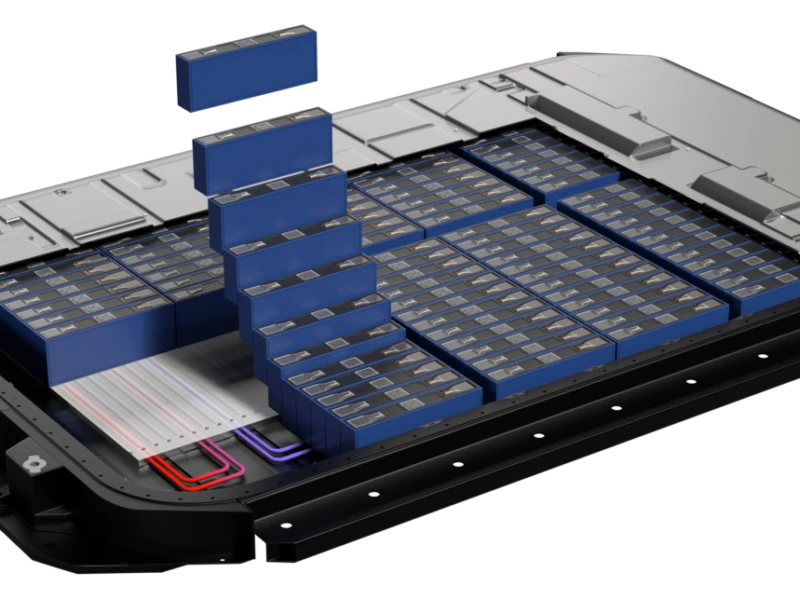
Prismatic cells are increasingly becoming a popular choice in various applications due to their unique structure and efficiency. These batteries are known for their compact, flat design, which allows for efficient space utilization and higher energy density. This section will delve into the specifics of prismatic cell batteries, their construction, and the advantages they offer in specific applications.
Understanding Cylindrical Cells
Cylindrical cells, on the other hand, are recognized for their traditional design and widespread use in numerous electronic devices. Characterized by their cylindrical shape, these cells are renowned for their durability and stability. We will explore the technical aspects of cylindrical cells, examining how their design impacts performance and longevity.

Analysis and future trends
Comparative Analysis
This part of the article will provide a detailed comparison between prismatic and cylindrical cells. Covering aspects like size, energy output, safety features, and cost-effectiveness, we aim to offer a comprehensive understanding of how these two cell types stack up against each other. This comparison will be particularly beneficial for those in industries like electric vehicles, where battery choice is critical.
Future Trends and Applications
The future of battery technology is as exciting as it is uncertain. This section will speculate on the potential future developments in prismatic and cylindrical cell technology, particularly focusing on their roles in the electric vehicle (EV) industry and renewable energy storage solutions. We will discuss the emerging trends and how they might influence the choice between prismatic and cylindrical cells in various applications.
Conclusion
Understanding the differences between prismatic and cylindrical cells is vital for making informed decisions in the realm of battery technology. Whether you are a consumer, a technology enthusiast, or a professional in the field, this knowledge can guide you towards the most suitable choice for your specific needs.


Discover more with Avantis Energy
For more insights and updates on the latest in battery technology, follow Avantis Energy on LinkedIn here. If you have specific queries or need expert advice, do not hesitate to reach out to us through our contact page at Avantis Energy Contact.